

Introduction
If you've been learning about SEO or website analytics, you've probably come across the term Alexa Rank. For many years, it was one of the most recognized ways to measure a website's popularity on the internet. Website owners, marketers, and businesses often used Alexa Rank to compare websites, track growth, and understand how popular a site was compared to others.
Although the original Alexa ranking service is no longer available, millions of people still search Alexa Rank Checker, Alexa SEO, Alexa website ranking, and website ranking. That's because Alexa Rank played an important role in the history of SEO and website analysis, and many users still want to understand what it was and what tools have replaced it.
In this guide, you'll learn everything about Alexa Rank in simple words, including how it worked, why it was discontinued, whether it still matters today, and the best ways to check your website's performance using modern SEO tools.
What Is Alexa Rank?
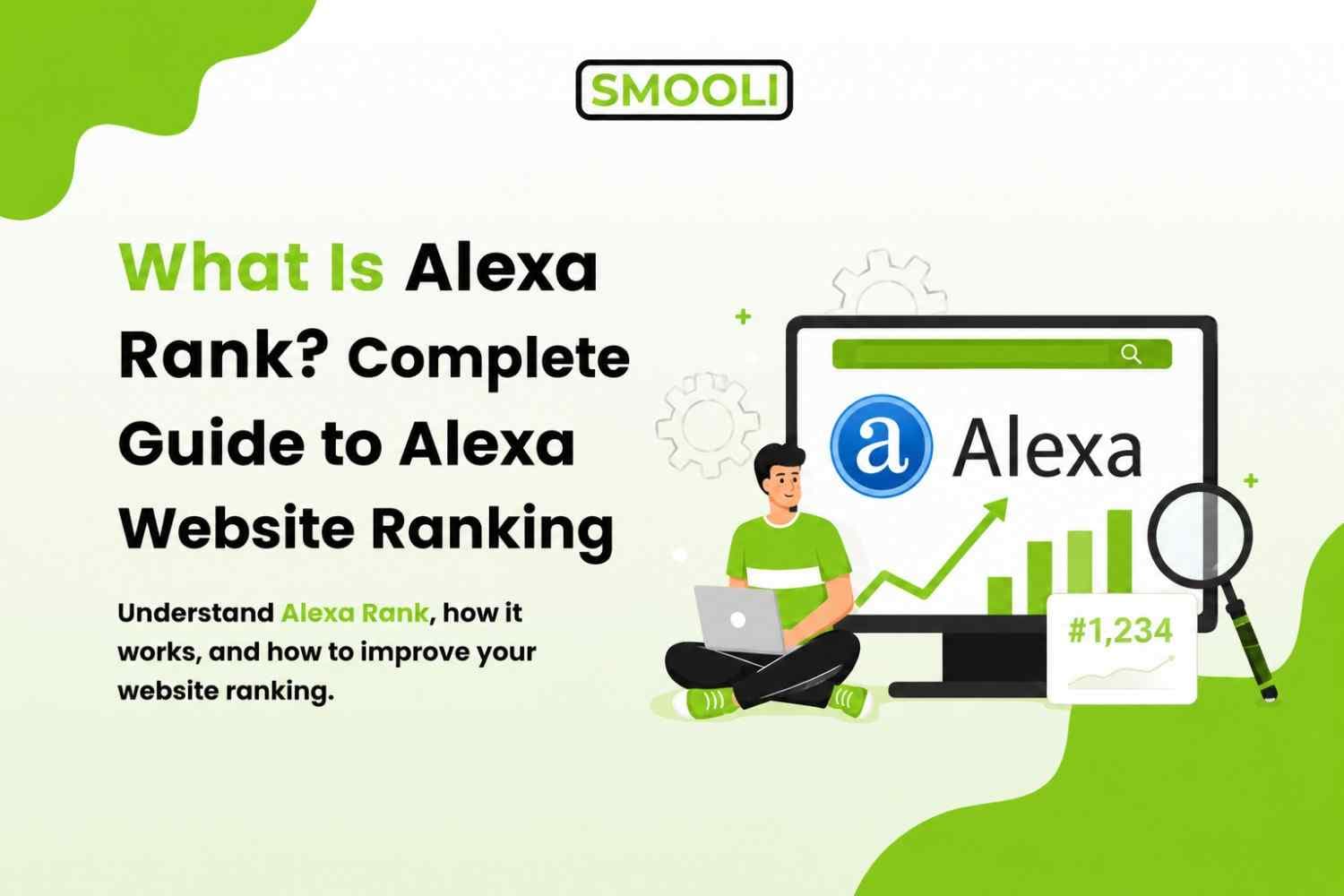
Alexa Rank was a website popularity metric developed by Alexa Internet, a company that was once owned by Amazon. It estimated a website's popularity based on its estimated traffic and visitor engagement compared with millions of other websites worldwide.
The easiest way to understand Alexa Rank was this: the lower the number, the more popular the website. A website ranked #1 was considered the most visited website in Alexa's rankings, while a website ranked #5,000,000 generally had much lower estimated traffic.
For example:
- A website with an Alexa Rank of 100 was considered extremely popular and was often a globally recognized brand.
- A website with an Alexa Rank of 500,000 typically had moderate traffic and an established audience.
Although Alexa Rank Checker was widely used to compare website popularity, it was based on estimated data rather than actual analytics.
How Alexa Rank Determined Website Rankings
Understanding how the original Alexa rank worked can help you understand why website traffic and engagement still matter so much for alexa SEO strategies today. The rank was calculated using a mix of factors, including:
- Estimated unique visitors - How many different people visited the site over a rolling three-month period.
- Pageviews - How many total pages were viewed across the site, including repeat visits from the same person.
- Bounce rate and time on site - How engaged visitors were once they landed on the website.
- Data sample size - The broader the data collected from browser extensions and partner sites, the more accurate the estimate.
None of this data came directly from Google Analytics or a website's own server logs. Instead, it was an estimate based on sampled data, which is why Alexa rank was sometimes seen as a rough guide rather than a perfectly accurate number.
Why Alexa Rank Mattered for SEO
Even though Alexa rank was an estimate, it played a real role in how businesses approached digital marketing and alexa SEO. Here is why it mattered so much:
1. Competitor Research
Marketers used Alexa rank to quickly compare their site's traffic and popularity against competitors without needing insider access to their analytics.
2. Credibility and Trust
A low Alexa rank number (meaning high popularity) was often seen as a trust signal. Advertisers, investors, and potential business partners sometimes checked a site's Alexa rank before making decisions.
3. Advertising Decisions
Brands looking to place ads or sponsor content used Alexa rank as a rough way to judge which websites had the audience size worth paying for.
4. Tracking Growth Over Time
Website owners tracked their own Alexa rank monthly or weekly to see if their SEO and content efforts were paying off. A dropping number meant growing traffic, a rising number meant a shrinking audience. This is the same reason a free alexa ranking checker tool is still valuable today.
Was Alexa Rank Accurate?
The answer is: It depends on the website.
For large, well-known websites, Alexa Rank was often reasonably close to reality.
However, for smaller websites, the estimates could vary significantly because Alexa had less data available.
That's why SEO experts recommended using Alexa Rank alongside other website metrics instead of relying on it alone.
Alexa Rank vs Other Website Ranking Metrics
Alexa Rank was once one of the most recognized metrics for measuring a website's popularity, but it was never the only way to evaluate a website's performance. Today, SEO professionals use several different metrics because each one measures a unique aspect of a website's overall health and search performance.
Alexa Rank: estimated a website's popularity based on its estimated traffic and visitor engagement compared to millions of other websites worldwide. A lower Alexa Rank indicated that a website was more popular.
Domain Authority (DA): is a metric developed by Moz that predicts how likely a website is to rank in search engine results. It mainly considers factors such as the quality and quantity of backlinks pointing to a website.
Page Authority (PA): is similar to Domain Authority, but instead of evaluating an entire website, it measures the ranking potential of an individual web page.
For the best results, use multiple SEO tools to evaluate your website. After checking your historical Alexa Rank, you can use our Keyword Density Checker to analyze whether your content uses keywords naturally and avoids keyword stuffing. It can help improve your on-page SEO and content quality.
You should also test your website with our Mobile Friendly Test to ensure it works well on smartphones and tablets. Since Google uses mobile-first indexing, having a responsive website is essential for improving user experience and search rankings.
Tips to Improve Your Website's Ranking
Whether you are tracking your progress with a free alexa ranking checker or simply trying to grow your organic traffic, here are some proven tips to help boost your numbers over time:
Focus on Search Intent
Create content that answers the exact questions your audience is searching for on Google. Helpful and relevant content is more likely to rank higher and attract the right visitors.
Use LSI Keywords Naturally
Include related keywords and phrases throughout your content instead of repeating the same keyword multiple times. This helps search engines better understand your topic and improves readability.
Improve Website Speed
A fast-loading website provides a better user experience, keeps visitors engaged, reduces bounce rates, and can improve your search rankings.
Make Your Website Mobile-Friendly
Ensure your website works well on smartphones and tablets. A responsive design improves user experience and supports better performance in search results.
Earn High-Quality Backlinks
Focus on building backlinks from trusted and relevant websites. High-quality links help increase your site's authority and improve its SEO performance.
Update Content Regularly
Review and refresh older blog posts by adding new information, updating outdated facts, and improving content quality. Regular updates help keep your content relevant and can increase organic traffic.
Frequently Asked Questions About Alexa Rank
1. What is Alexa Rank?
Alexa Rank was a website popularity metric created by Alexa Internet. It estimated a website's popularity based on visitor traffic and page views compared with other websites.
2. Does Alexa rank affect my Google search rankings?
No, Alexa rank was never used by Google as a ranking factor. However, the traffic and engagement that improve your Alexa-style rank often come from the same SEO practices that improve your actual search rankings.
3. What is the difference between Alexa rank and Domain Authority?
Alexa rank measures traffic and popularity, while Domain Authority predicts how well your site is likely to perform in search engine results based on your backlink profile.
4. What is considered a good Alexa rank?
Generally, a rank under 100,000 is considered strong, under 1,000,000 is decent for a growing site, and anything above that usually reflects a newer or smaller website still building traffic.
Final Thoughts
Alexa Rank was once one of the most widely recognized metrics for measuring a website's popularity on the internet. Although the service was discontinued, it remains an important part of SEO history, and many website owners still search for information about Alexa Rank. Today, successful SEO is no longer about achieving a specific Alexa Rank SEO. Instead, it's about creating valuable content, providing an excellent user experience, earning high-quality backlinks, optimizing your website for search engines, and tracking performance with modern SEO and analytics tools.