

Al has changed the content creation game. Writers, marketers, students, and businesses can now produce articles, emails, product descriptions, and social media posts in a fraction of the time it used to take.
But speed comes with a trade-off.
Al-generated text can be polished and technically correct while still feeling flat, repetitive, or robotic. That disconnect between accuracy and authenticity is exactly the problem Al humanizers are designed to solve.
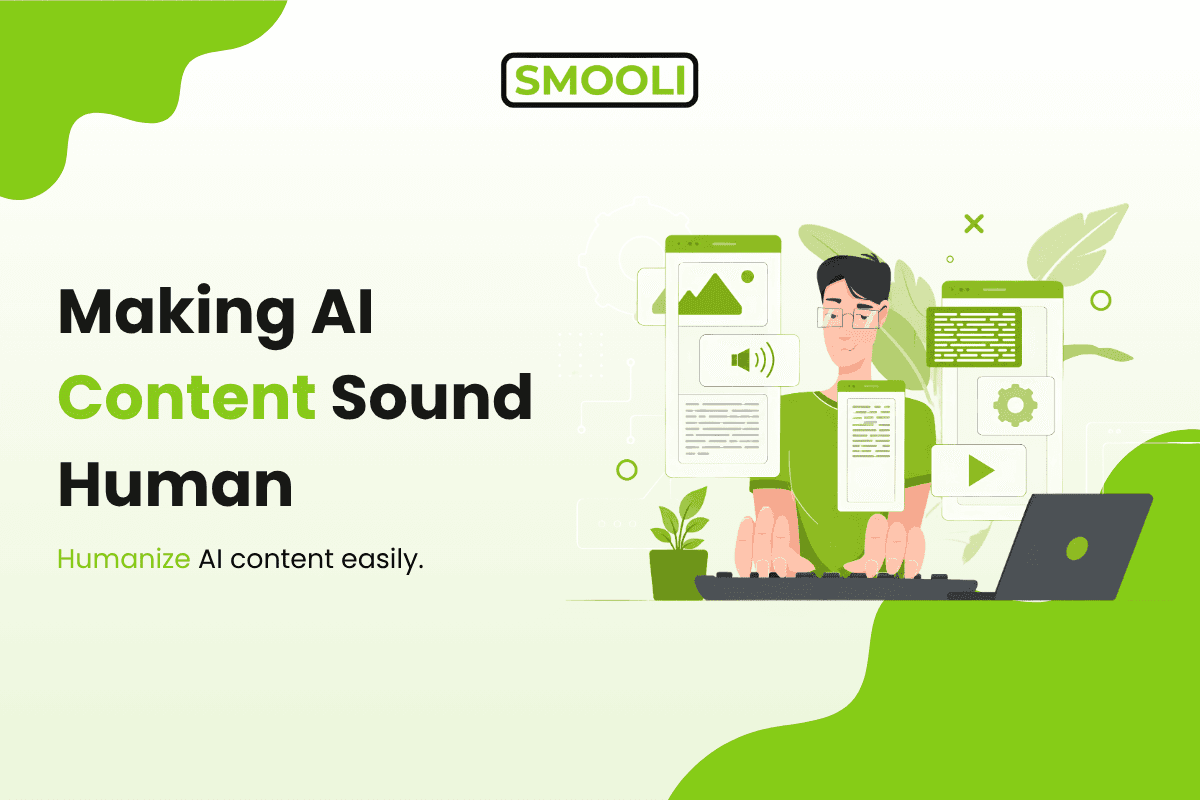
An Al humanizer refines Al-generated content to make it sound natural, conversational, and genuinely reader-friendly. As Al-written content becomes more common, humanization tools are playing an increasingly important role in the content creation workflow.
What Is an Al Humanizer?
An Al Humanizer is a tool that takes Al-generated text and makes it sound more like something a real person wrote.
Rather than creating content from scratch, these tools analyze existing Al output and make targeted adjustments to elements like:
- Sentence structure and variety
- Word choice and tone
- Readability and flow
- Transitions between ideas
- Overall conversational quality
The goal is not to hide the fact that Al was involved. The aim is to make the reading experience better to produce content that feels authentic, clear, and engaging.
Think of an Al humanizer as an intelligent editorial layer between the raw Al output and the final published version.
Why Does Al Writing Sound So Robotic?
Al models are trained on enormous amounts of text, which makes them excellent at generating information quickly. But they tend to fall back on predictable patterns.
This means raw Al content often contains:
- Repetitive phrasing and transitions
- Generic, interchangeable sentence structures
- An overly formal or neutral tone
- Little emotional resonance or personality
- Openings and conclusions that feel copy-pasted
None of this makes the content factually wrong. It just makes it less engaging, and readers today can sense the difference.
How an Al Humanizer Works?
Most Al humanizers follow a similar process to identify and fix what makes text feel mechanical.
Step 1: Scan for Al Patterns
The tool reviews the text and identifies the markers that commonly appear in Al writing, such as uniform sentence lengths, repetitive transitions, predictable structures, and overused phrases. This sets the foundation for targeted improvements.
Step 2: Add Sentence Variety
Consistent sentence structure is one of the most obvious signs of Al-generated content. Humanizers break this up by mixing short and long sentences, varying how sentences begin, and improving the rhythm of the text so it reads more naturally.
Step 3: Adjust Tone and Language
Al-generated text often defaults to a formal, neutral register that feels impersonal. Humanizers shift the language toward something more conversational and approachable, closer to how a knowledgeable person would actually explain something.
Step 4: Improve Flow and Cohesion
Beyond word-level changes, a good humanizer strengthens the connections between ideas. Smoother paragraph transitions, better-placed examples, and more purposeful phrasing all contribute to content that holds the reader's attention from start to finish.
Why Should You Use an Al Humanizer?
There are benefits to humanizing content beyond just tone.
Improved Reader Engagement
People gravitate toward content that's authentic.
It's far more likely a reader will keep reading if you write conversationally and in an approachable tone.
Enhanced Readability
Humanized content is usually easier to understand.
Shorter sentences, clearer wording, and smoother transitions make information more accessible.
Stronger Brand Tone
Maintaining consistency across large volumes of content is a challenge for many businesses.
Humanizers can make Al-generated material fit a particular brand style and tone.
More organic communication
Whatever you're writing: blogs, emails, marketing copy, sounding human matters.
Readers respond more to content that feels like it was created for them.
Can Al Humanized Content Improve SEO?
This is one of the most common questions around humanized content, and the answer is straightforward.
Search engines prioritize content that is relevant, useful, and satisfying to users. Humanized content tends to perform better on all three fronts because it's easier to read, more engaging, and more likely to match the reader's intent.
When readers spend more time on a page, interact with the content, and come away trusting the information, those signals matter. Readability and engagement are not separate from SEO; they are part of it.
That said, the goal should never be to optimize content purely for Al detection scores. Focus on creating genuinely useful content that serves the reader, and the SEO benefits follow naturally.
Mistakes People Make When Using Al Humanizers
Humanizers are very useful, but they are not magic bullets.
Below are some common mistakes to avoid.
Complete reliance on automation
Humanizers improve content, but they don't substitute for human review.
Make sure to review the final version before publishing it.
Disregarding Audience Needs
Even the best writing in the world will fail if it does not solve the problem of the reader.
Content should always be user intent-focused.
Looking just at Al detection scores
A lot of people are obsessed with the lowest possible Al detection percentage.
The truth is, readers care more about usefulness and clarity than detection scores.
And good content always comes first.
Al Humanizer & Content Polisher
With the rising use of Al-generated content, tools that increase readability and engagement are gaining value.
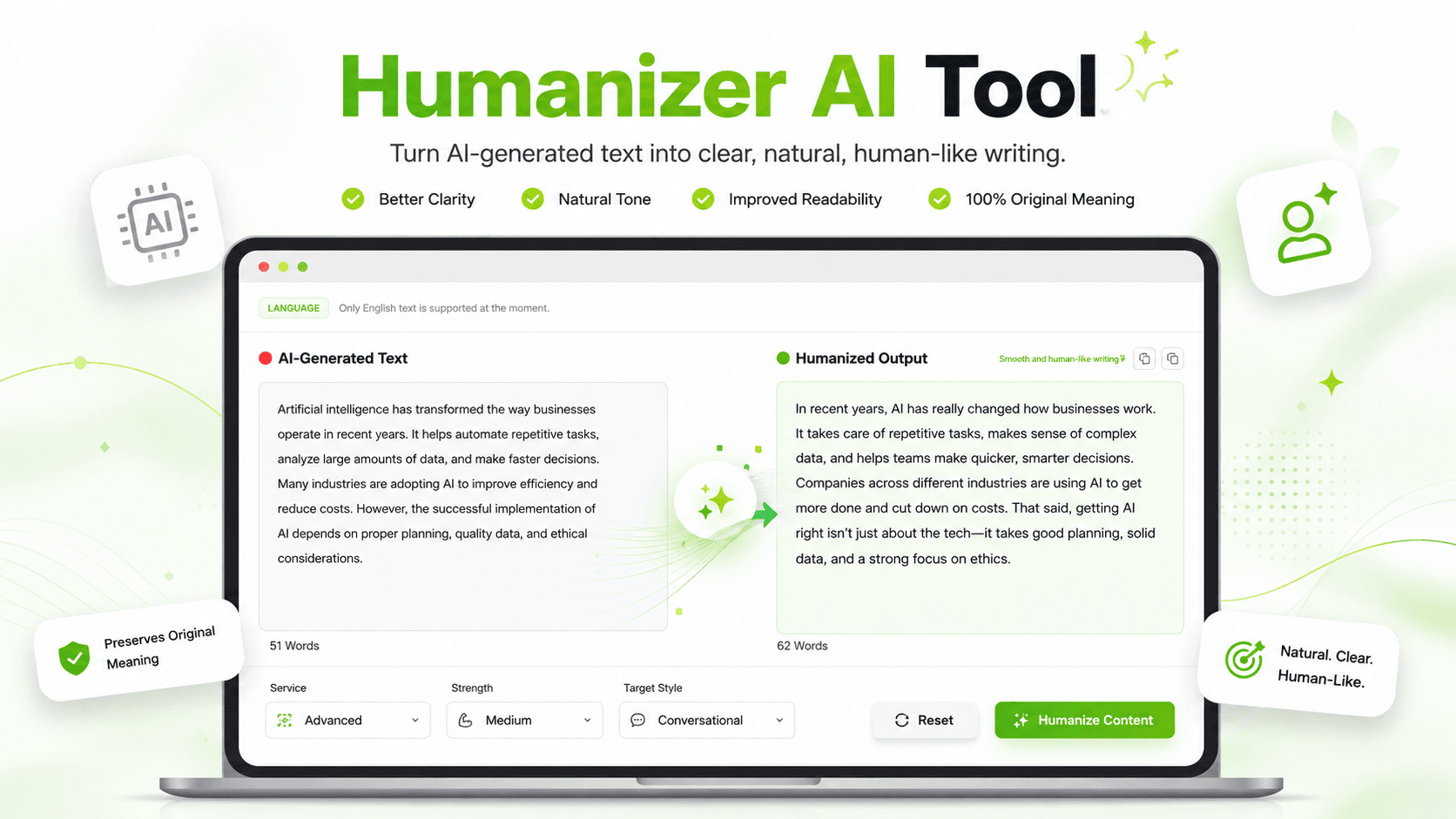
Smooli Al Humanizer is built to help users refine Al-generated drafts before they go live. Rather than publishing raw output, users can improve tone, polish flow, enhance readability, and create content that feels more natural and engaging. It's not a replacement for creativity; it's a tool that makes the writing process faster and the result better.
Best Practices to Help Humanize Al Content
Both an Al humanizer and manual editing improve content quality with these strategies.
1. Write to a particular audience
Think of a real reader, not a big audience.
2. Use Your Own Examples
Examples make content sound more real and relatable.
3. Use Conversational Language
Write the way people talk and interact.
4. Eliminate Redundancy
One of the most obvious signs of Al-generated content is repeated phrases.
5. Edit Before You Publish
Human review is one of the most effective quality checks available.
The Future of Making Al More Human
Al models are improving rapidly, and humanization tools are evolving alongside them. Future versions will likely offer deeper contextual understanding, more nuanced tone adjustment, and increasingly personalized output.
But even as the technology advances, human creativity will remain central to great content. The most effective content will always combine Al efficiency with human insight tools that handle the heavy lifting while people provide the judgment, voice, and perspective that make content worth reading.
Conclusion
Al humanizers are becoming an integral part of modern content creation.
They help turn Al-generated text into something that feels more natural, engaging, and reader-focused. Humanizers help make machine-generated output more like real communication by improving the flow, readability, and tone.
The future of content creation isn't Al versus human.
It's Al and humans working together to create better experiences for readers.
Frequently Asked Questions FAQs
1. What is an Al humanizer?
An Al humanizer is a tool that enhances Al-generated text to make it sound more natural, conversational, and human-like.
2. What does a humanizer do?
It analyzes the content, identifies patterns of Al writing, and rewrites parts of it to make it more readable, with a better tone and flow.
3. Why can Al content sound robotic?
Al models tend to lean on predictable patterns, repeated phrasing, and generic language structures.
4. Can Al humanizers enhance content quality?
Yes. They boost readability, add sentence variety, improve tone, and create a better overall experience for the reader.
5. What is Smooli Al Humanizer?
Smooli Al Humanizer is a tool that helps you to polish Al-generated content and make it more natural and readable.
6. How Does Smooli Al Humanizer Help Content Creators?
It improves tone, readability, and flow of content, allowing users to polish Al-generated drafts before publishing.
7. Are Al humanizers better than manual editing?
Not necessarily. The best results usually come from combining Al humanization with a final human review.
8. Can Al humanized content help SEO?
Humanized content can improve readability and engagement, which contributes to a better user experience and stronger content performance.