

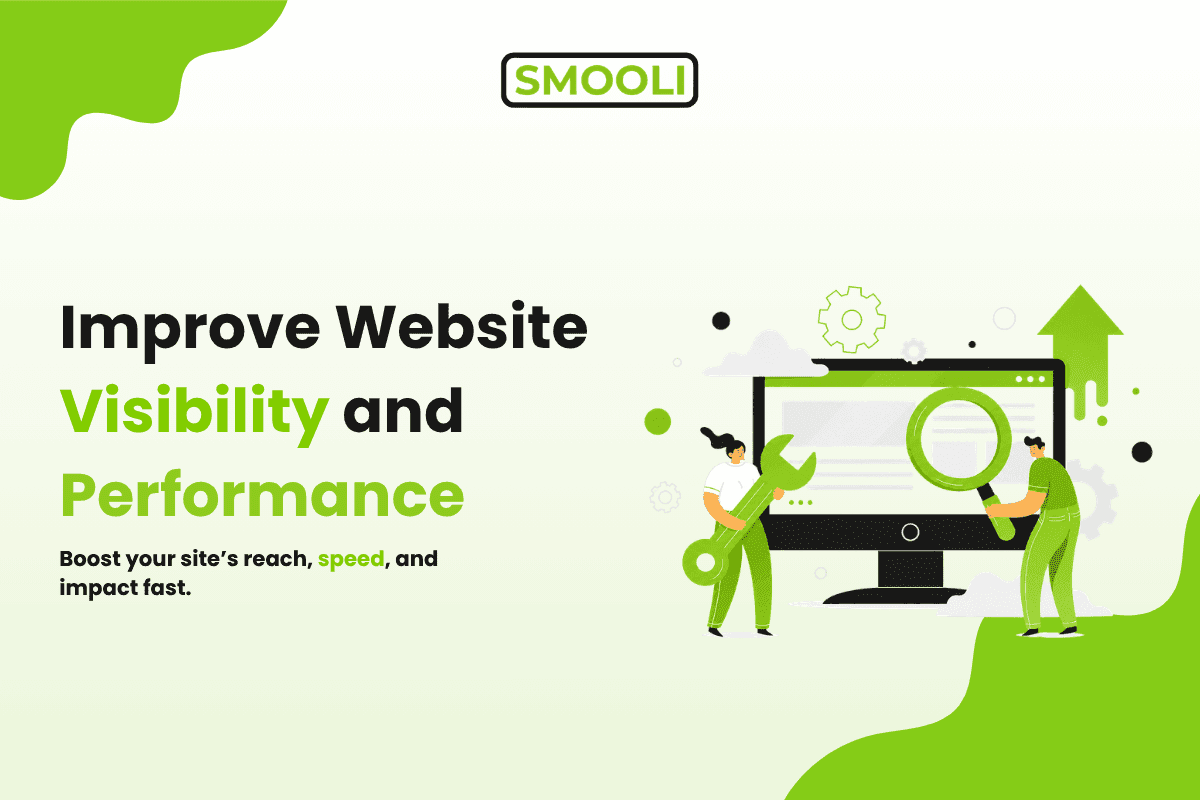
Let's be honest, having great content isn't enough. If your site's slow or gets lost in the search results, nobody's going to find it, let alone stick around. Good visibility and solid performance go hand in hand. If you mess up one, the other suffers.
The good news? You don't need to spend ages fixing things. With some smart moves, you'll see progress pretty quickly.
So, here's how to make your site easier to find and nicer to use without turning your routine upside down.
Why Visibility and Performance Matter
When someone looks something up on Google, your site has to show up and then actually load quickly once it's clicked. Visibility is about actually getting found. Performance keeps people from clicking away.
If your site drags or looks clunky, people leave in seconds. Google notices that, and your rankings drop.
But when you get both dialed in, your site draws more visitors and keeps them coming back.
Making Your Website Easier to Find
Visibility is what gets your site in front of people. It usually comes down to search rankings, quality content, and solid optimization.
What helps:
- Smart keywords
- Useful, high-quality content
- Good backlinks
- Clean site structure with internal links
Get these right, and you'll pop up in search results more often.
What Makes Your Website Run Better
Performance is basically how your site feels to users. Key things are:
- Fast load times
- Works smoothly on phones and tablets
- Strong, reliable hosting
- Technical SEO done right
Little delays can frustrate visitors quickly.
Quick Wins for Better Visibility
You don't have to complicate things. A few targeted tweaks can go a long way.
Tweak Your On-Page SEO
Check all your pages, make sure you're using relevant keywords in titles, headings, and throughout your content. Meta titles and descriptions should tell people (and search engines) what the page is actually about.
Upgrade Your Content
Write clear, practical stuff that answers what people are searching for. If you've got old posts that haven't been touched in months, update them. It pays off.
Use Internal Links
Link related pages together; this helps visitors find their way and spreads "authority" through your site.
Build Backlinks
The more other sites link to yours, the better. Even a handful of solid backlinks can make a noticeable difference.
Quick Fixes for Better Performance
Simple fixes can boost your site's speed and reliability right away.
Speed Up Your Pages
Compress images, enable caching, and trim out unnecessary code. Your pages will load way faster.
Make Sure It Works on Mobile
Most visitors are on their phones, so it's important to test your site on mobile and fix anything that looks off. Using a mobile friendliness checker can help you quickly identify issues so you can improve the overall user experience.
Pick a Reliable Host
Your hosting company can make or break site speed. You want a setup that's fast and stays online.
Knock Out Technical Problems
Fix broken links, sort out redirects, and get rid of duplicate content. Those issues mess with your speed and hurt SEO.
Visibility vs. Performance: Where to Focus
| SEO Factor | Impact Level | Description |
|---|---|---|
| On-Page SEO | Medium | Optimizing keywords, titles, and meta tags to improve relevance |
| Content Updates | Medium | Keeping content fresh and aligned with current trends and user intent |
| Backlinks | High | Building authority and trust through quality external links |
| Page Speed | High | Ensuring fast loading times for better user experience and rankings |
| Mobile Optimization | High | Making the website responsive and user-friendly on mobile devices |
| Technical Fixes | Medium to High | Resolving backend issues like crawl errors, broken links, and site structure |
Tools That Make Life Easier
Good tools save loads of time. Use ones that handle SEO, performance checks, content, and file management.Smooli Al Seo Optimization tools, for example, cover all that, so you're not constantly bouncing between apps. That means less stress and more results.
How to Keep Improving for the Long Haul
Those first fixes kick off the improvements, but steady effort keeps your site ahead. Stay sharp by:
- Regularly updating content
- Monitoring performance stats
- Fixing issues as they show up
- Keeping up with SEO news
Small tweaks, done often, add up.
Mistakes to Watch Out For
A lot of sites stall out because they trip over these common mistakes:
- Ignoring mobile visitors
- Overloading pages with massive images
- Stuffing pages full of useless extras
- Slacking on technical SEO
Avoid these, and you'll see better results.
Making Continuous Improvements Easier
Optimizing your website doesn't have to be overwhelming. Break things down into smaller steps. Thanks to tools like Smooli AI, you can handle content and SEO, all in one place, without jumping between platforms.
Conclusion
You don't need a huge overhaul to improve visibility and performance. Focus on your content, speed things up, fix technical hiccups, and keep updating. Keep at it, and your site will keep climbing.
Take simple steps now; real progress is just around the corner.
Frequently Asked Questions (FAQs)
Q1: How do I get visibility fast?
Work on on-page SEO, update your content, and chase after quality backlinks.
Q2: What's the quickest way to speed up my site?
Fix page speed and technical issues; they usually give you instant results.
Q3: Does mobile optimization affect SEO?
Definitely. If your site isn't mobile-friendly, you'll lose rankings and visitors.
Q4: Why is page speed so important?
Faster sites keep users engaged and reduce bounce rates, which boosts SEO.
Q5: How does Smooli Al improve performance?
It bundles tools for content, SEO, and technical fixes so you can manage everything without the headache.
Q6: Can Smooli Al help boost visibility?
Yep, it offers SEO and content optimization tools to push your site up the rankings.
Q7: How often should I update my website?
Regular updates matter aim to review and refresh your content and performance stats at least once a month.
Q8: What's the most common mistake in website optimization?
Neglecting user experience, especially on mobile and with page speed, hurts most websites.