

Introduction:
If you have ever shared a link on social media, in an email, or on a business card, chances are you have run into a long, messy web address that looks like a random string of letters, numbers, and symbols. That is exactly the problem a URL shortener solves. In this guide, we will break down what a URL shortener is, how it works behind the scenes, why businesses and everyday users rely on them, and how to pick the right one for your needs.
What Is a URL Shortener?
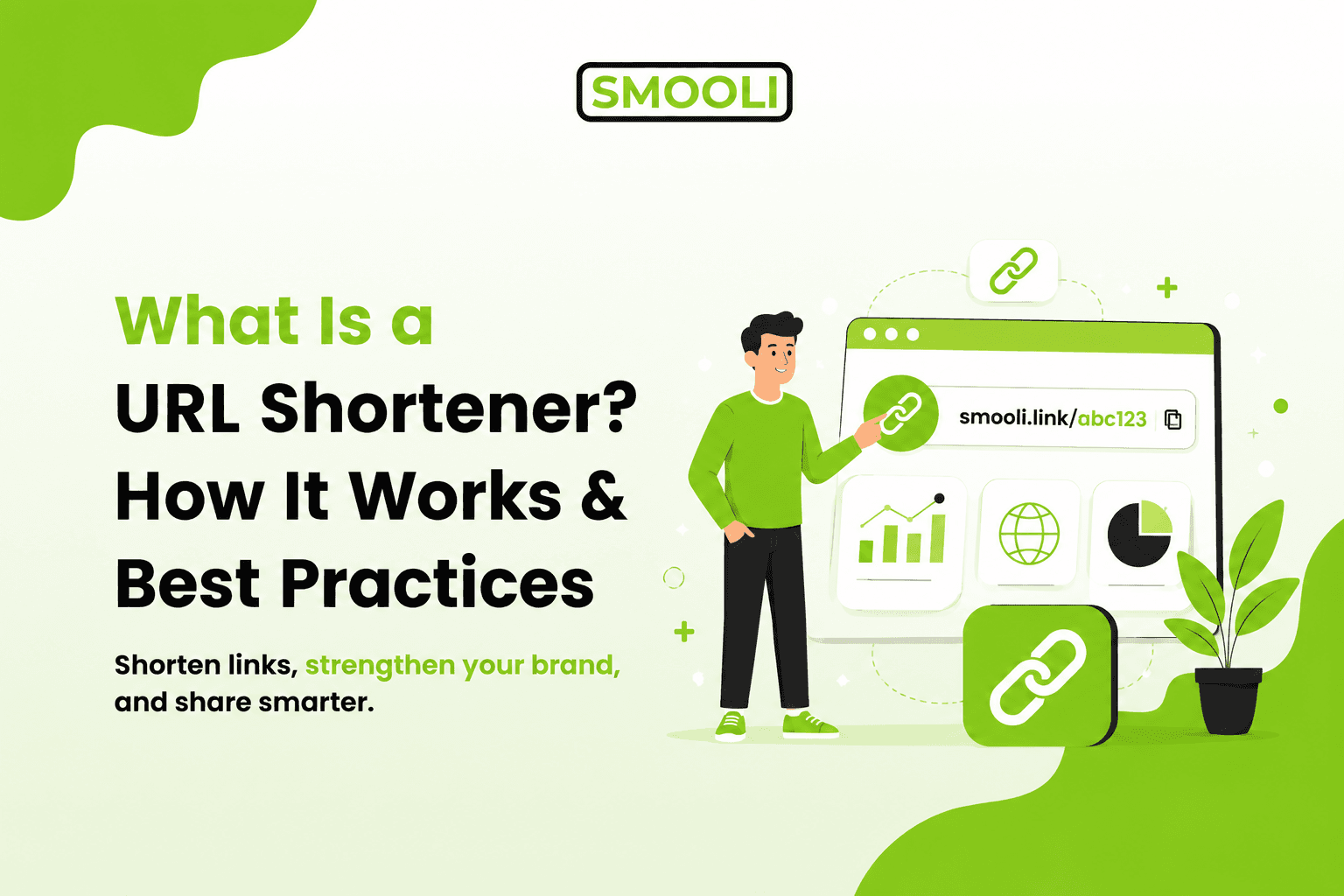
A URL shortener is an online tool that converts a long web address into a much shorter and easier-to-share link. Instead of sharing something like:
https://www.example.com/blog/category/marketing/2026/07/25/how-to-improve-your-website-seo-strategy-this-year
You get something compact and shareable like:
smooli.ai/xY7z2
When someone clicks the short link, they are automatically redirected to the original, longer URL. The visitor lands on the exact same page you intended, the only thing that changes is the appearance of the link itself.
This simple idea has become a core part of digital marketing, social media management, customer support, and everyday internet use. Tools like a url shortener make it possible to turn any clunky, hard-to-read address into something clean, memorable, and easy to share across platforms.
A Brief History of URL Shortening
Link shortening is not a brand-new concept. It emerged in the early 2000s as blogs, forums, and the first wave of social platforms started gaining popularity. Early internet users quickly noticed that long, dynamically generated URLs, often filled with tracking parameters, session IDs, and category paths, were awkward to share in emails or paste into small text boxes.
The idea gained massive momentum with the rise of Twitter in the late 2000s, where character limits made every letter count. Suddenly, a link that used up 100+ characters was a real problem, and shortened links became the standard solution almost overnight.
Why Are Long URLs a Problem?
Long URLs often contain unnecessary information, including:
- Tracking parameters
- Session IDs
- Product IDs
- Search filters
- Campaign tags
- Referral codes
These extra characters make links:
- Difficult to read
- Hard to remember
- Less attractive on social media
- Easy to copy incorrectly
- Unprofessional in printed materials
A short link solves all these problems by hiding unnecessary complexity behind a clean URL.
How Does a URL Shortener Work?
Understanding the mechanics behind link shortening helps you appreciate why it is so reliable and fast. Here is a simplified breakdown of the process:
1. You Submit a Long URL
You paste your original, long web address into the shortening tool.
2. The Tool Generates a Unique Short Code
The service creates a short, unique string of characters (often 5-8 characters long) and pairs it with your original URL. This pairing is stored in a database.
3. A New Short Link Is Created
The tool combines its own domain (like smooli.ai) with the generated code to produce your new short URL, for example, smooli.ai/Ai-Tools.
4. Redirection Happens Instantly
When someone clicks your short link, their browser sends a request to the shortening service's server. The server looks up the short code in its database, finds the matching long URL, and instantly redirects the visitor there using an HTTP redirect (usually a 301 or 302 status code).
This entire process lookup and redirect, typically happens in a fraction of a second, so the user barely notices any delay.
Common Types of URL Shorteners
Not all link shorteners work the same way or serve the same purpose. Here are the main categories you will come across:
Free URL Shortener
A free url shortener lets you shrink links at no cost, usually with a shared domain and a randomly generated short code. These are great for casual use, sharing a link with friends, posting on social media, or sending a quick message. Most free tools have some limitations, such as fewer customization options or basic analytics, but they cover the everyday needs of most users perfectly well.
Custom URL Shortener
A custom url shortener allows you to personalize the short link itself. Instead of a random code, you can create something branded and memorable, like smooli.ai/dns-domain-tools/url-shortener. This is especially valuable for businesses that want their links to reflect their brand identity, build trust, and improve click-through rates. Custom slugs are also easier to remember and look far more professional in printed materials, presentations, or email campaigns.
Best URL Shorteners for Businesses
When people search for the best url shorteners, they are usually looking for tools that go beyond basic shortening, offering branded domains, detailed click analytics, QR code generation, link expiration settings, password protection, and API access for automation. A well-rounded shortening tool combines simplicity for everyday users with powerful features for marketers and developers.
Key Benefits of Using a URL Shortener
1. Cleaner, More Professional Links
Short links look tidy and trustworthy. Whether you are sending a link in a text message, printing it on a flyer, or including it in a presentation, a short URL is far easier on the eyes.
2. Better Social Media Performance
Platforms like X have character limits, and even on platforms without strict limits, shorter links simply look better and take up less visual space in a post.
3. Trackable Analytics
Most URL shorteners give you insight into how your links are performing, total clicks, click timing, geographic location of visitors, referral sources, and device types. This data helps you understand your audience and refine your marketing strategy.
4. Easier Sharing Across Channels
Short links are easier to copy, paste, type manually, or read aloud during a call or presentation. This matters more than people realize, especially for offline marketing like radio ads, billboards, or printed materials.
5. Brand Recognition and Trust
A custom, branded short link builds recognition and signals credibility. People are generally more comfortable clicking a link that clearly shows a recognizable brand name rather than a random, unfamiliar string of characters.
6. Link Management at Scale
For businesses running multiple campaigns, a good shortening tool lets you organize, edit, and monitor dozens (or hundreds) of links from one dashboard, saving significant time compared to managing raw URLs manually.
URL Shortener vs. URL Opener: What's the Difference?
It is easy to confuse a URL shortener with other website and domain tools, so let's clear up one common point of confusion. While a URL shortener compresses a long link into a short one, a url opener does the opposite kind of job, it allows you to open multiple URLs at once, saving time when you need to visit several websites or links in bulk instead of clicking them one by one.
Both tools solve different problems: one is about making links shareable and compact, while the other is about efficiently accessing multiple links simultaneously. Together, they represent the kind of practical, time-saving web utilities that make everyday browsing and digital marketing tasks faster and more convenient.
What Makes the Best URL Shorteners?
Not all URL shortening services offer the same features. The best URL shorteners combine speed, reliability, security, and ease of use to create a better experience for both individuals and businesses.
Here are the key features to look for when choosing a URL shortener.
Fast Redirects
A shortened link should open instantly. Fast redirects improve the user experience, reduce bounce rates, and ensure visitors reach their destination without delays.
Reliable Uptime
Your shortened links should work whenever someone clicks them. A dependable URL shortener maintains high uptime, ensuring your links remain accessible around the clock.
Easy-to-Use Interface
Creating a short URL should take just a few seconds. The best tools let you paste your long URL, generate a shortened link instantly, and copy it with a single click.
Custom Short Links
Custom aliases make your links more memorable and professional. Instead of a random URL like:
Brand/A8j2X
You can create branded links such as:
- Brand/pricing
- Brand/contact
Custom short links are easier to recognize, share, and trust.
Strong Security
Security is essential when sharing shortened URLs. A trusted URL shortener helps protect both you and your visitors with features such as:
- Spam detection
- Malware protection
- HTTPS encryption
- Secure redirects
These safeguards improve user trust and reduce the risk of malicious links.
Frequently Asked Questions About URL Shorteners
1- What is a URL shortener?
A URL shortener is a tool that converts a long web address into a shorter, more manageable link. When someone clicks the shortened URL, they are automatically redirected to the original webpage.
2- Is a free URL shortener safe to use?
Yes, most reputable free URL shortener services are safe like Smooli Url Shortener. However, always use trusted providers and avoid clicking shortened links from unknown or suspicious sources.
3- What is the difference between a free URL shortener and a custom URL shortener?
A free URL shortener uses a shared domain and is ideal for basic link sharing. A custom URL shortener uses your own branded domain, helping build trust, improve brand recognition, and create memorable links.
4- Do URL shorteners affect SEO?
URL shorteners do not directly improve your website's search rankings. However, they can improve user experience, make links easier to share, and increase click-through rates when used correctly.
5- What are the best URL shorteners?
The best URL shorteners offer reliable redirects, custom link options, HTTPS security, analytics, and an easy-to-use interface. The right choice depends on whether you need basic link shortening or advanced marketing features.
6- Is it possible to shorten a link without signing up for an account?
Many free tools allow you to shorten a basic link instantly without creating an account. However, signing up usually unlocks extra features like analytics, link editing, and custom slugs.
Final Thoughts
A URL shortener might seem like a small, simple tool, but it plays a surprisingly big role in how we share information online. From cleaning up messy links to tracking valuable click data and building brand recognition, shortened URLs make digital communication faster, cleaner, and more effective.